
Clarity at every stage.
Our catalogue is structured to keep product identity, lot documentation, and handling guidance easy to find and easy to review.
Records belong beside the product.
We prioritize specific, accessible information over broad claims. Where documentation is available, its status is displayed with the relevant catalogue entry.
If we cannot document it, we do not list it.
Product identification
Compound name, strength and label identifiers shown on every catalogue entry.
Lot documentation
Certificates are issued per lot and matched to the batch number on your vial.
Handling guidance
Storage and handling notes sit with the product, not on a separate page.
Research notice
Every product is presented for laboratory research use only.
From catalogue entry to available COA.
- 01Compound & strength
Product
Each catalogue entry lists the compound, strength and the identifiers printed on its label.
- 02Batch-specific record
Lot
Every vial carries a lot number that links it to its own production and testing record.
- 03Available documentation
Certificate
Request the COA for your lot and our team emails the matching certificate.
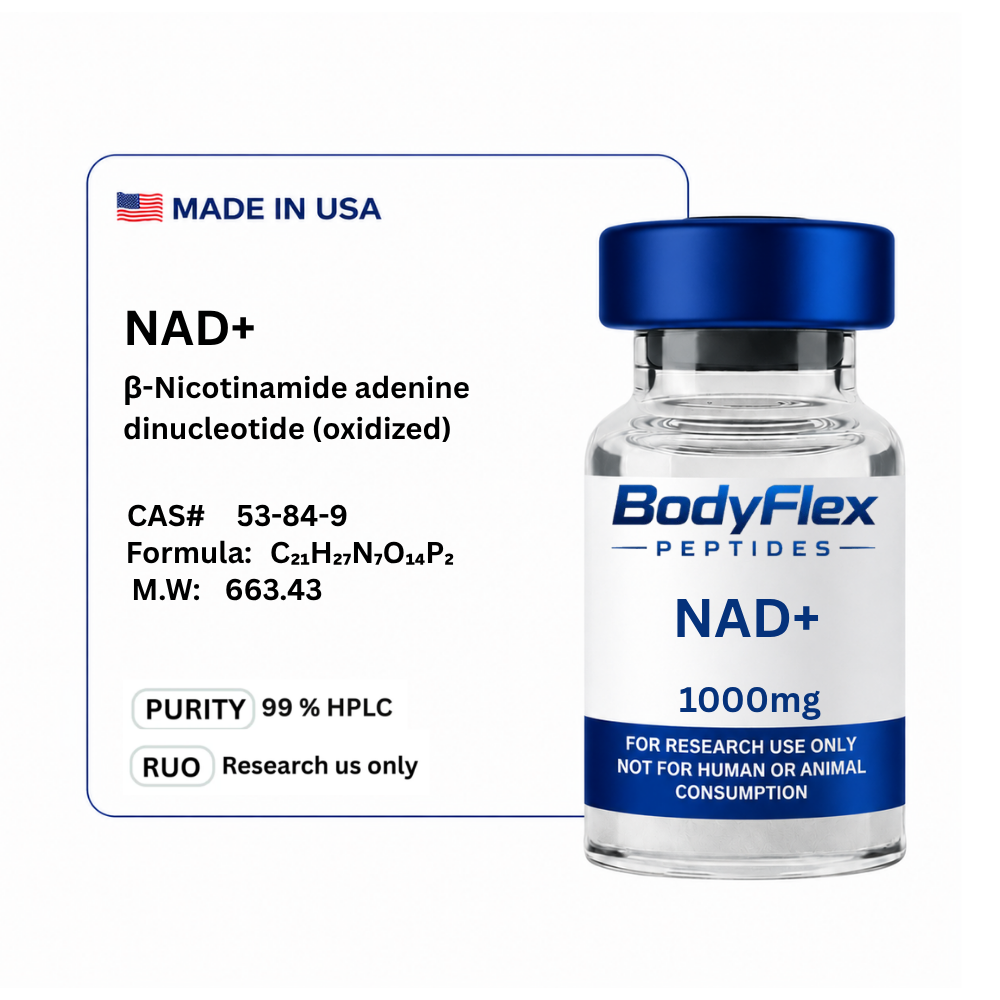 Lot numberLinks to its COACAS & formulaPrinted on labelPurityReported per lotRUOResearch use only
What a certificate tells you.
A Certificate of Analysis is only useful if you know what to look for. These are the fields to review on the certificate issued for your lot.
Identity
Confirms the material is the compound named on the label, typically by mass spectrometry.
Purity
The purity result for the lot, typically measured by HPLC and reported as a percentage.
Lot number
Must match the lot printed on your vial. A certificate for another lot does not apply.
Appearance & form
Physical description of the material, such as a white lyophilized powder.
Test date
When the lot was analysed, so you can confirm the record is current.
Method reference
The analytical method used, so results can be interpreted correctly.
Protecting material integrity.
Refer to the product page and supplied documentation for material-specific handling guidance. Use appropriate laboratory controls and aseptic technique.
Storage requirements can differ between compounds. Always follow the label and lot documentation rather than inferring conditions from another product.
Before reconstitution
Keep lyophilized material cool, dry and away from light, as stated on the label.
After reconstitution
Follow the storage conditions and timeframes given in the lot documentation.
Avoid freeze-thaw cycles
Repeated freezing and thawing can affect material integrity.
Aseptic technique
Reconstitute and handle under sterile laboratory conditions with suitable controls.
Quality questions, answered.
Common questions about documentation, certificates and research-use requirements.
BodyFlex products are intended for laboratory research use only. Not for human or animal consumption.
What does “COA available” mean?
Is every document lot-specific?
How do I request a COA?
Where is storage guidance shown?
What if my lot number does not match the certificate?
Are these products intended for human use?
Need the certificate for your lot?
Send us the product name and the lot number printed on your vial, and our team will email you the matching Certificate of Analysis.